
At QTCo, we are committed to corporate environmental responsibility. Being community focused and conscious of the environment we live and work in, means we consider social and environmental matters in every aspect of our operations.

Solar Panels
Our Kedron building encompasses 129 solar panels, this contribution of renewable energy drastically reduces QTCo’s power usage.
Eco-friendly Inks
We immerse ourselves in the latest innovations, emerging trends and find elements of joy in thinking outside the square! With creative thinking we continue to inspire unique promotional products that grab user attention, promote brand recognition, whilst protecting the environment by using eco friendly inks.

Supporting our Community
QTCo gives back to the community where we live and work. Charitable giving via donations of surplus inventory, branded merchandise or monetary assistance are key components of QTCo’s overall corporate sustainability strategy.
Key partners include – the Salvation Army and Drug Arm.

Recycling
QTCo focuses on reducing waste generated by our operations. We aim to eliminate, reuse or recycle. Cardboard and paper items are recycled in dedicated bins or reused where possible. Ink wastage is stored in supplied tanks that are safely collected by an environmental agency.

Equality
QTCo’s strength is its people, their dedication to service levels and their will to excel for their customers. QTCo continue to be committed to the successful delivery of products from inception to completion, maintaining outstanding communication with customers and whenever possible going that little step further to offer customers the 100% ‘care’ factor QTCo is famous for.

Emissions
QTCo monitors and reports on our environmental emissions and collects social data on the material topics that represent our organisation’s most significant impacts. This is to ensure we promote sustainable practises across all aspects of our operations, whilst enabling continuous improvement and reducing emissions.
Textile Sustainability

REDUCE
210,000 tonnes of clothing are donated annually in Australia.
Repurpose and reimagine your existing clothing before letting it go.
Mend damaged items, have clothing altered, or completely transform your textiles into something brand new to reduce your pressure on our recycling systems. You can upcycle your t-shirts into cleaning clothes/rags, scrunchies and handkerchiefs.

REPURPOSE
Australians are the second highest purchaser of new clothing (383,000 tonnes), buying an average of 56 items per person in a year. Only a fraction of these are recyclable.
You can ensure your QTCo merchandise maintains it’s high quality by following our garment care instructions. Maintaining your garments through proper care significantly extends their lifespan, meaning you can retain your items for longer periods of time.

RECYCLE
Each year, Australians alone send $500 million worth of fashion clothing to the tip, yet over 95% of it can be recycled and reused.
If you’re not able to repurpose your clothing items, consider saving your clothing from landfill by finding a donation point or booking a clothing collection or even donate them to your local mechanics and painters.
Impacts of Textile Waste
Garment Care
Taking care of your garments is a great way to reduce your environmental impact, while prolonging the life of your wardrobe favourites.
To ensure your garments receive the care they deserve, follow our garment care guide.
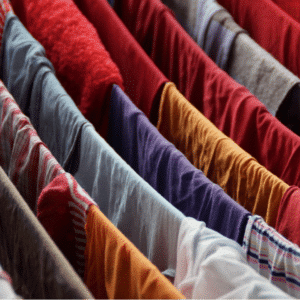
Instead of washing your clothes frequently, try airing them out in the sun. The UV light will help to disinfect and freshen up your clothes between loads.
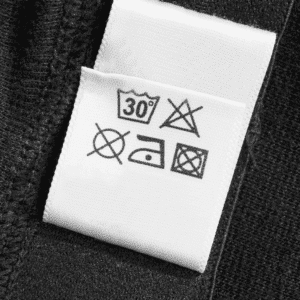
Each T-Shirt you purchase will have a garment care instruction card included in your order. Following these will give your products the longest life possible.

Washing your garments on cold will help reduce the stress that washing puts on the fibres. It will save you on your electricity bill too!
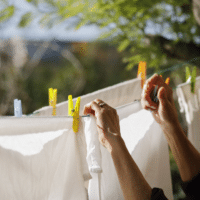
Try not to dry your clothes in a dryer. The heat of a clothes dryer can be harsh on textiles. Try to hang your garments out when you can.
Using gentle and sustainable washing products and using your machine’s gentle setting can help prolong the life of your garments. Avoid bleach and softeners.
Check product details to understand what your garments are made from. Synthetic fabrics, including polyester and nylon, create micro-plastics when they are washed.